
Home > About
About
Artist
Paul Robinson – contemporary glass artist
Lives in Hirwaun, close to the studio in Aberdare, South Wales.
As a schoolboy I was head chorister at St. Michael’s Church in Lichfield, Staffordshire and I guess this was the start of my love for music, churches, cathedrals and stained glass windows.
Following a career first in the RAF, then offshore as a Hydrographic Surveyor and finally in the Logistics industry I have settled down in South Wales with my wife Barbara.
During the training my grandson was born and I wanted that special gift to celebrate the occasion and here we are 6 months later starting up a small business making Celebration Suncatchers for others who are also looking for unique gifts for someone special or an important occasion.
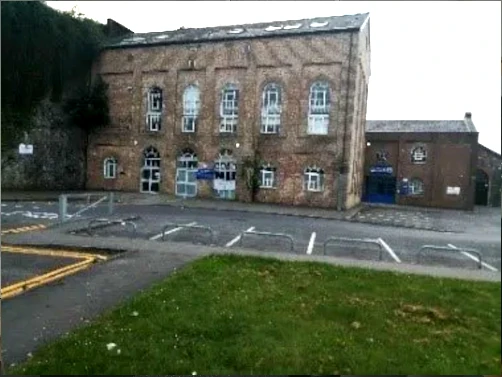

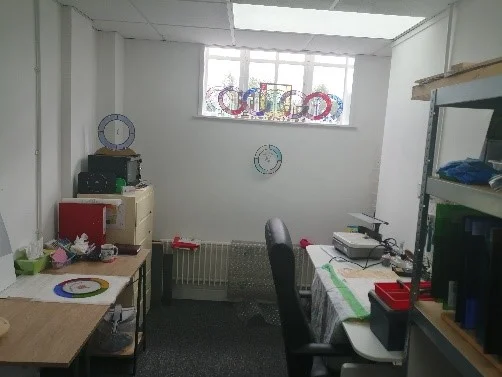
Studio
Based in Aberdare the studio is in the Corporation Building next to the Cynon Valley Museum. The building was originally offices for the bus depot, but have been refurbished and are now a hub for small to medium size businesses.
Although small in size the studio is nice and compact, idea for my needs with everything within arms reach. From uncut glass, desk and workbench through to packing material.
Cathedral Glass
Basic definition of “Cathedral Glass”

Cathedral glass is a type of coloured glass that is often used in the production of stained- glass windows. It is known for its high level of transparency, vibrant colours, and textured surface. Cathedral Glass is typically used in the construction of church windows, residential buildings, and as decorative elements in contemporary art. It is characterized by its ability to transmit and diffuse light, creating a mesmerizing effect when illuminated.
The name is now used by glassmakers who use recipes of chemicals and compounds heated to over 1,200° C, then softly hammered to give a rustic texture whist hand rolling on a steel table. I mainly use Cathedral Glass from the Paul Wissmach Glass Company, who are celebrating their 120th Anniversary in 2024. The coloured glass is famous for its transparency, excellent clarity and consistent pattern.
Origins of the name “Cathedral Glass”
The term “Cathedral Glass” originates from its widespread use in the construction of medieval cathedrals and churches. These grand structures required large windows to allow natural light to fill the interiors. The glass used in these windows came to be known as “Cathedral Glass” due to its prevalence in such architectural wonders.
Cathedral Glass in the Middle Ages
Cathedral Glass has a rich history that dates back to the Middle Ages. During this time, the production of glass had advanced significantly, and artisans began experimenting with different techniques to create glass that would enhance the aesthetic appeal of religious buildings. Cathedral Glass emerged as a popular choice due to its ability to transmit light while imparting a sense of mystique and beauty to the surroundings. The use of intricate designs and vibrant colours became a hallmark of this period, with stained glass windows becoming symbols of heavenly transcendence.
Development and use of Cathedral Glass in the Renaissance
In the Renaissance period, the art of glassmaking continued to evolve, and Cathedral Glass further flourished. Artists and craftsmen refined their techniques, utilizing multiple layers of coloured glass to achieve intricate patterns and achieve a more dynamic appearance. The religious and cultural significance of Cathedral Glass remained, and it continued to be used in churches, monasteries, and palaces. The Renaissance marked a period of growth and refinement in the production and use of Cathedral Glass, with advancements in technology and design significantly influencing its aesthetic qualities.
Cathedral Glass in the Modern Era
In the modern era, the production and use of Cathedral Glass has evolved to meet the changing needs and preferences of architects and designers. Technological advancements have allowed for the creation of more complex and intricate designs, with the introduction of automated cutting and etching techniques. While the religious use of Cathedral Glass remains prevalent, its application has expanded to include residential structures, commercial buildings, and contemporary art installations. The versatility and timeless beauty of Cathedral Glass continue to captivate and inspire artists, architects, and enthusiasts around the world.
Materials used in making Cathedral Glass
The production of Cathedral Glass involves the use of various materials, each contributing to its unique characteristics. One of the key components is silica, which is derived from sand and acts as a base material. To create different colours, metal oxides such as iron, cobalt, and copper are added to the silica. The choice of metal oxide determines the resulting colour of the glass. Additionally, the inclusion of flux materials such as soda ash or potash helps to lower the melting point and improve the workability of the glass.
The process of creating Cathedral Glass
The process of creating Cathedral Glass is complex and requires skilled craftsmen with a deep understanding of glassmaking techniques. It typically involves several steps, including glass melting, colouring, shaping, and annealing. The initial step involves melting the materials in a high-temperature furnace until they reach a molten state. Once the desired colours have been achieved, the molten glass is shaped using various methods such as blowing, casting, or pressing. The glass is then slowly cooled in a process called annealing to relieve internal stresses and strengthen the final product. This meticulous process ensures that each piece of Cathedral Glass is of the highest quality and possesses the desired characteristics.
Characteristics of Cathedral Glass
One of the defining characteristics of Cathedral Glass is its high level of transparency. It allows light to pass through with minimal obstruction, creating a sense of openness and luminosity. This transparency is a key factor in the beauty and visual impact of stained-glass, as it allows natural light to permeate and illuminate the intricate designs.
Colour variations in Cathedral Glass
Cathedral Glass is renowned for its vibrant and diverse colours. The addition of metal oxides during the production process imparts a range of hues, from deep blues and rich reds to vibrant greens and soothing yellows. These variations in colour allow artists and designers to create stunning compositions that evoke different moods and emotions. The play of light through the coloured glass adds depth and dimension to the overall aesthetic of Cathedral Glass.
Applications of Cathedral Glass
Cathedral Glass has also found applications in various other contexts beyond religious settings. Its beauty and versatility have made it a popular choice for residential windows, contemporary art installations, museums, and public spaces. Whether used in sculptures, light fixtures, or decorative panels, Cathedral Glass adds a touch of artistic flair and visual interest to these environments. Its ability to capture and play with light makes it a captivating material for artists and designers seeking to create immersive and enchanting experiences for viewers.
Influence of Cathedral Glass on Art Movements
The vibrant colours and captivating qualities of Cathedral Glass have had a significant influence on various art movements throughout history. Artists such as Louis Comfort Tiffany in the Art Nouveau movement and Mark Chagall in the modern era incorporated Cathedral Glass into their artistic creations, blurring the boundaries between art, architecture, and design. The use of Cathedral Glass in these movements brought a sense of dynamism and vibrancy to traditional art forms, pushing the boundaries of artistic expression and experimentation.
Restoration and Preservation of Cathedral Glass
Restoring and preserving Cathedral Glass poses several challenges due to its age, fragility, and intricate nature. Over hundreds of years the glass can become damaged or deteriorate due to environmental factors, vandalism, or natural disasters. The restoration process requires skilled craftsmen who possess a deep understanding of the original techniques used in creating the glass. It often involves careful cleaning, repairing, or replacing damaged pieces, and reinforcing structural integrity. The goal is to restore the glass to its original beauty and ensure its longevity for future generations to appreciate. Regular cleaning using mild solutions and soft clothes is recommended to remove dirt and grime without causing damage.
Environmental Impact and Sustainability of Cathedral Glass Production
As society becomes more conscious of environmental issues, sustainable practices in the production of Cathedral Glass are gaining importance. Efforts are being made to reduce energy consumption, minimize waste, and utilize eco-friendly materials in the manufacturing process. The use of recycled glass and the implementation of energy-efficient kilns are some of the measures being taken to reduce the environmental impact. Additionally, innovative methods for recycling and reusing old or damaged Cathedral Glass are being explored, ensuring its longevity while minimizing waste.
Developed from article by Marcie Morgan – StainedGlassSupplyHub.com